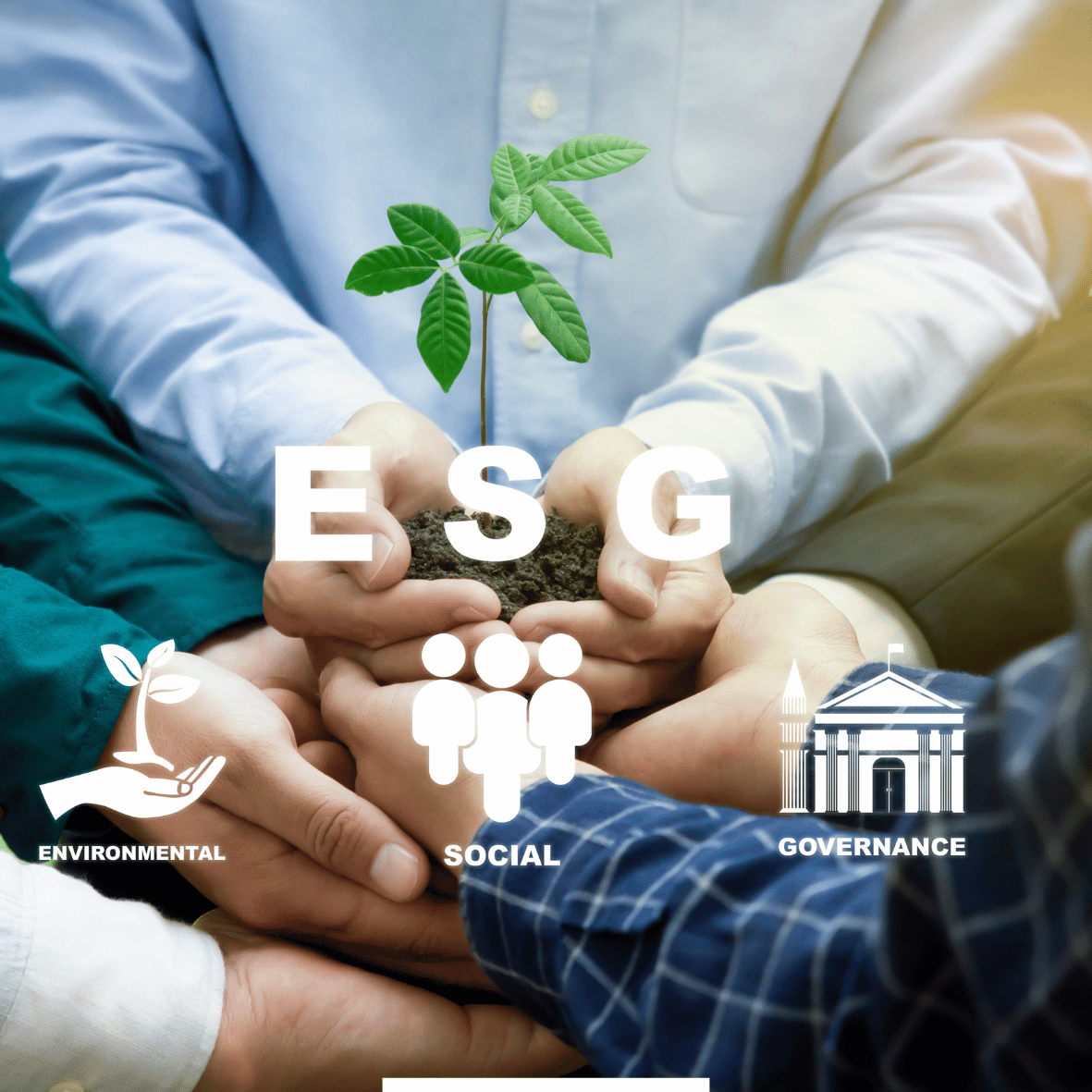
Integrated reporting (IR) has transformed corporate reporting, providing a holistic view of a company’s value creation. This approach combines financial and non-financial information, focusing on environmental, social, and governance (ESG) aspects. As ESG reporting gains importance globally, integrated reporting has become essential for transparency and stakeholder trust. This evolution allows companies to demonstrate their commitment to sustainability and responsible business practices.

The intersection of integrated reporting, ESG, and sustainability reports
Integrated reporting offers a comprehensive picture of a company’s strategy, governance, and performance. While traditional financial reports concentrate on economic outcomes, integrated reports integrate ESG metrics, highlighting an organisation’s sustainability efforts. ESG reports typically focus on specific areas like environmental impact and social responsibility, referencing standards such as the Global Reporting Initiative (GRI) or ISO 14001. Integrated reports, however, connect these insights with broader business strategy, demonstrating how ESG factors influence financial performance and growth. This integration is critical as stakeholders increasingly demand visibility into how ESG influences long-term resilience.
Frameworks such as the one developed by the International Integrated Reporting Council (IIRC) guide organisations to merge ESG and financial reporting. This ensures companies recognise ESG as central to sustainable growth rather than as a separate aspect of their operations.
Vestibulum tempor elit ac tellus ornare luctus. Donec ultrices placerat elit id aliquam.
Vestibulum luctus, leo eget congue iaculis, leo erat pharetra nibh, finibus porta neque tellus ut erat. Aenean vulputate velit quis pellentesque auctor. Integer eget scelerisque neque, et tincidunt nunc. Etiam et pellentesque enim. Nam efficitur ex nec arcu molestie.
The global landscape of integrated and ESG reporting: South Africa, Middle East, Europe, and North America
South Africa has been a leader in integrated reporting since 2010, when the Johannesburg Stock Exchange required listed companies to adopt it. This move aligned with the King IV Report, which promotes transparency and sustainability. South African companies have set a global standard for integrated reports, integrating corporate governance with societal goals. Their leadership serves as a model, especially in emerging markets.

In the Middle East, integrated and ESG reporting are emerging trends. The Gulf Cooperation Council (GCC) countries are increasingly recognising the need for ESG transparency due to growing environmental and social challenges. Countries like Saudi Arabia and the UAE are prioritising sustainable investments, with initiatives such as Saudi Arabia’s Vision 2030 and the UAE’s Net Zero by 2050 encouraging integrated approaches that align economic performance with societal impact.
Europe has long been a global leader in sustainability reporting, and the European Union (EU) is driving the harmonisation of ESG standards. The Corporate Sustainability Reporting Directive (CSRD) will significantly expand non-financial reporting across EU member states. As companies align with EU goals, such as net-zero emissions by 2050, integrated reporting is becoming essential for ensuring business strategies, risks, and opportunities are communicated cohesively.
In North America, integrated reporting is gaining momentum. Although slower to adopt than other regions, the US and Canada are making strides in ESG transparency. The US Securities and Exchange Commission (SEC) has proposed new climate-related disclosure requirements, and large companies are responding by adopting integrated reports. Similarly, Canada’s initiatives are encouraging companies to provide consistent ESG data, enhancing integrated reporting’s relevance in the region.
Why integrated reporting remains relevant
Integrated reporting remains relevant because it helps companies meet evolving stakeholder expectations and aligns with ESG principles. It also allows companies to make better decisions by offering a clearer view of how ESG factors influence financial performance. Integrated reports provide investors and stakeholders with the tools needed to assess a company’s long-term viability and resilience. Furthermore, global regulations push for greater transparency, and companies adopting integrated reporting are better positioned to comply with these emerging requirements.
Conclusion
Integrated reporting has become a cornerstone of corporate communication, reflecting the shifting priorities of stakeholders who demand sustainability and ethical governance. Combining financial and ESG data, it offers a transparent approach to reporting that aligns with responsible growth. As regions like South Africa, the Middle East, Europe, and North America continue to enhance their reporting practices, integrated reporting will remain vital for companies committed to creating long-term value for stakeholders and society.